
Do I Need Insurance to Sell Handmade Crafts in the UK? Easy guide for 2025
Insurance is a piece of mind, and no matter what type of craft business you are starting, it’s always better to have one. To sell online and in person, at craft fairs, you need relevant insurance just in case something goes wrong and you or your product injures somebody or causes any kind of discomfort that could lead to a claim against you.
You can also get insured against theft, damages or accidents at work, which is useful especially if you have expensive equipment or a lot of stock that you take with you to a craft fair.
In this guide, I wanted to give you an understanding of the common risks that small craft businesses, like yourself can face, whether they sell exclusively online or at craft fairs, and what insurance options are available to protect your new handmade business.
The purpose of this blog post is not to scare you with all the stuff that could go wrong with your business, but to be practical about one element of running your business. It’s simple, find out what insurance you need for your business, get the best quote, pay and file the agreement and that’s it! Hopefully, you’ll never need to use your insurance, but if you do, you’ll be glad you’ve got it!

HANDMADE BUSINESS TIPS
- How to start handmade business without money >>
- How to decide on your business branding >>
- Tips for taking good product photos (for beginners) >>
Do I need an insurance to start selling handmade crafts in the UK? The quick answer
Legaly you don’t need an insurance to start selling your crafts unless you employ people. But it’s a good practice to have an insurance to sell at craft markets (most might not even consider you as a stallholder if you don’t have one) or if you are selling your crafts online.
The more you are in contact with people, for example running craft workshops, the more chances are that something – even minor might go wrong and having an insurance is good for a piece of mind.

How much is a basic craft insurance?
The good news, is that a basic craft insurance is fairly affordable and can be as little as £35 – 70 a year depending on what type of insurance you need.
Each insurance company will assess what you need and price your insurance individually but for basic insurance up to 1 million with selling online the cost would be around £55 a year.
HANDMADE BUSINESS TIPS
- 9 Reasons why handmade products are more expensive >>
- Creative ideas for product packaging >>
- The Ultimate Craft Fair Packing Checklist >>

Types of Insurance for Craft Businesses
As I mentioned before, craft businesses may not be legally required to have insurance, except for employers’ liability insurance if you decide to start employing staff, which is not a case for most start up solo businesses.
However, having the right insurance coverage can protect your handmade business financially in case of an accident, injury or theft.
- Public Liability Insurance: This insurance covers the business in case a customer or member of the public is injured or their property is damaged due to the business’s activities.
- Product Liability Insurance: This insurance covers the business in case a product it sells causes injury or damage to a customer or their property.
- Business Interruption Insurance: This insurance covers the business’s loss of income and expenses if it is unable to operate due to an insured event such as fire or flood.
- Contents Insurance: This insurance covers the business’s equipment and stock in case of theft, damage, or loss.
HANDMADE BUSINESS TIPS

Public Liability & Indemnity Insurance
Public liability insurance is the one that most craft organisers ask for when you book your stall at any market. Often you need to include a copy of your insurance with your application, so once you know that you are going to attend your first craft fair, it’s best to get your insurance sorted at the same time.
This type of insurance provides coverage for claims of accidental injury or property damage caused by the business. Depending on the policy, this can cover accidents at the workplace, markets, as well as injury, illness, or damage caused by one of the products sold by the business.
Craft businesses operating at craft fairs and stalls face similar risks as online businesses. However, the risks tend to be heightened due to the increased interaction with the public. Accidents involving third parties and their property are more common at physical stalls.
For example, if a customer trips over a cable and injures themselves, the business could be held liable for their injuries. Similarly, if a customer’s personal property is damaged while at the stall, the business could face financial losses and damage to reputation.
Craft businesses taking part in craft fairs and stalls should have liability insurance to cover any claims made by third parties. It is also important to have insurance to cover any damage to stock or materials that may occur during transport or while at the craft fair.
HANDMADE BUSINESS TIPS
- How to start your handmade business (Step by step guide) >>
- Best 18 marketplaces to sell handmade crafts in the UK >>
- How to choose your business name >>

Product & Distant Selling Liability Insurance
This is the type of insurance that protects you when you start sending your products to your customers. This insurance is needed in case a product you make and sell causes injury or damage to a customer or their property.
For example, if a customer demands financial compensation after being harmed by your handmade product, your craft business could face legal action and financial losses.

Employers’ Liability Insurance
Employers’ liability insurance is essential for any craft business that hires staff, whether they are permanent, part-time, apprentice, or volunteer.
This type of insurance is required by law and protects both the business and its employees in the event of an accident or work-related illness. Employers’ liability insurance covers all legal fees and any compensation that may be awarded to the employee.
HANDMADE BUSINESS TIPS
- 210+ Unique Stained Glass Names for your new business >>
- 150 + Creative Crochet Business Names >>
- 10 good reasons why to buy handmade >>
Tools and Equipment Insurance
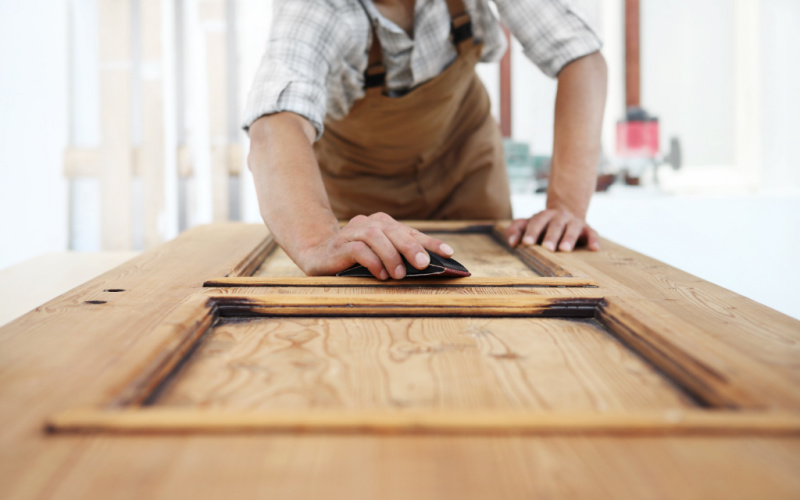
If your handmade business needs a specialist or very expensive tools, you might like to consider tools and equipment insurance. While not a legal requirement, tools and equipment insurance can be a valuable investment for your handmade business.
This type of insurance provides coverage for lost, stolen, or damaged tools and equipment and some policies may also provide financial compensation for any loss of earnings during the period of time you are unable to work.
Home Insurance
Before you insure your craft stock, tools and equipment separately with your craft insurance, it’s worth checking what your existing home insurance covers.
It might be also worth checking whether adding your craft business insurance to the existing home insurance wouldn’t be more cost-effective than taking on separate insurance.

What to do next
Once you know what type of cover you might like to have for your new handmade business, it’s best to find an insurance that covers everything you need in one insurance. This is much cheaper than purchasing a separate insurances from different companies.
Also if you are just starting out, but already know that you would like to sell at craft fairs in near future and you might be considering selling online too, it’s best to look at combined insurance for both activities as it might not cost too much extra now, then when you try to add it to your insurance later.
You might like to also consider combining your public and product liability insurance with your employers’ liability insurance (if needed) and tools and equipment insurance in a comprehensive insurance package. This can provide the best coverage for your handmade business and protect against any unexpected accidents or losses.

Where to get quotes for craft insurance in the UK
Your first call should be to your existing insurance company – for example if you already have a home content insurance, you might be able to add your new home business policy on top of your existing one or increase it, which might cost less than taking out new policy.
I’ve had my insurance mainly via Ian W.Wallace, which is now the Craft Insurance Company, but there are many more insurance companies specifically focused on small or craft businesses. I always found that these companies were much better value than going to a large but more generic insurance companies.
- www.craftinsurance.co.uk
- www.craftcover.com
- www.cmtia.co.uk
- www.towergateinsurance.co.uk
- www.walmsleyinsurance.co.uk
- www.markeluk.com
- www.hiscox.co.uk
This blog post was originally written on 15 December 2023 and last updated on 3 June 2025