
Sustainable materials for your next building project
Every industry is facing mounting pressure to reduce its environmental impact as the UK government drives towards net zero by 2050. This is especially true of the construction industry which relies on heavy machinery and manufacture, transport, resources and raw materials.
Introducing sustainable materials into your next building project will help you comply with the latest regulations and meet the growing consumer demand for eco-friendly homes. Here are the materials to prioritise in your next project.
Sustainably sourced timber
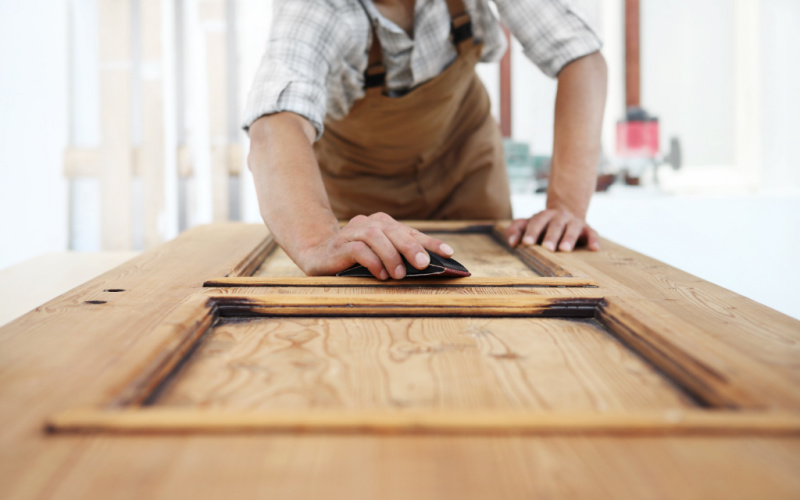
One of the most straightforward changes you can make is opting for sustainably sourced timber. This wood is harvested in a way that ensures a continuous supply without depleting natural forests, so it functions as a renewable resource that can be relied upon long term. Some forests go the extra mile environmentally, conserving biodiversity, water sources and carbon storage.
You’ll find that CLS timber is especially versatile because it can be used for everything from framing to flooring. When choosing your timber, look for sourcing certifications from organisations such as the Forest Stewardship Council (FSC) or Programme for the Endorsement of Forest Certification (PEFC).
Recycled or reclaimed materials
Rather than investing in brand-new materials, opt for recycled or reclaimed variations. Recycled steel and concrete, for example, conserve natural resources and negate the energy required for production while matching the strength and durability of their virgin counterparts.
Reclaimed wood and brick are also excellent options, particularly in restoration or heritage projects where maintaining an authentic image is important or in industrial designs with exposed foundations. They provide a unique aesthetic appeal and are often more affordable.
Natural insulation
Greater insulation of any sort will make a home more energy efficient, reducing energy consumption and lowering heating bills. Using natural materials goes the extra mile in terms of sustainability and can help control moisture more effectively than traditional options, helping to maintain indoor air quality and prevent dampness and mould.
Options such as sheep wool, hemp and recycled cotton are popular as they are effective insulators and renewable, biodegradable and non-toxic.
Concrete alternatives
Concrete is one of the most widely used construction materials, and its production is a major contributor to the UK’s carbon emissions levels. This is due to the quarrying, heating and mixing needed to create the cement.
Fortunately, low-impact alternatives have been developed recently, making use of industrial waste by-products like recycled aggregates or slag rather than limestone and clay in the cement. Some green content also uses renewable energy to power the kiln heating. These low-impact alternatives offer similar durability and performance so you shouldn’t have concerns about relying on green concrete instead of its traditional counterparts.
When you are fitting your buildings, prioritise these features of sustainable design to ensure they are green inside and out.